St Helier estate man with van tips for tricky access
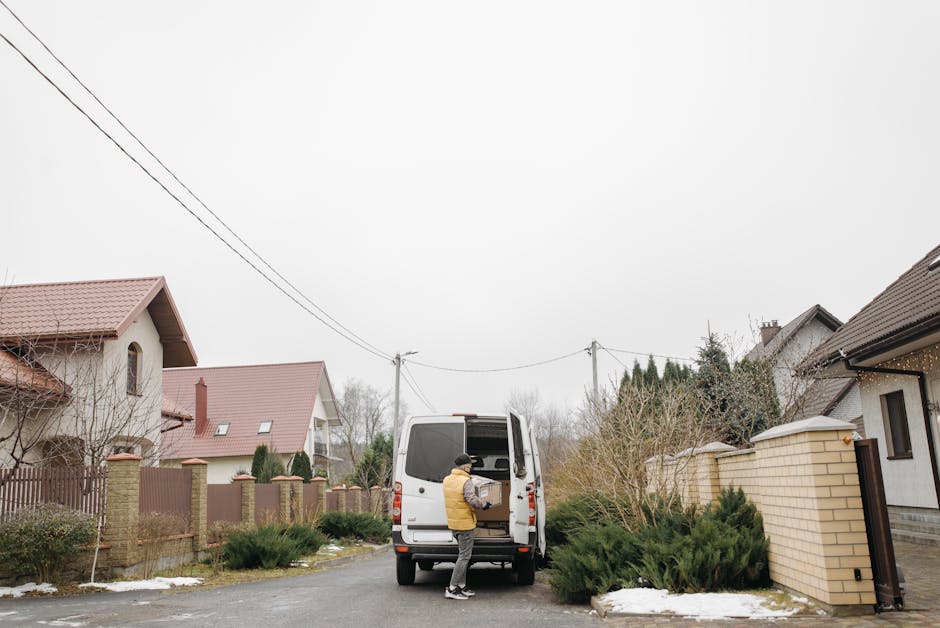
If you are trying to move on or around the St Helier Estate, you already know the challenge is rarely the sofa itself. It is the tight turns, awkward parking, shared walkways, and that one entrance that seems fine until you arrive with a van full of furniture. These St Helier estate man with van tips for tricky access are designed to help you plan properly, avoid delays, and keep the move calm rather than chaotic. Truth be told, a smooth move in a difficult-access area usually comes down to preparation, not luck.
This guide walks through how tricky access affects a man and van job, what to check before moving day, how to reduce risks, and when it makes sense to book help that is used to estate moves and tight residential routes. You will also find a practical checklist, a comparison table, and a real-world style example so you can picture the process clearly. No fluff. Just the useful stuff that helps.
Table of Contents
- Why St Helier estate man with van tips for tricky access Matters
- How St Helier estate man with van tips for tricky access Works
- Key Benefits and Practical Advantages
- Who This Is For and When It Makes Sense
- Step-by-Step Guidance
- Expert Tips for Better Results
- Common Mistakes to Avoid
- Tools, Resources and Recommendations
- Law, Compliance, Standards, or Best Practice
- Options, Methods, or Comparison Table
- Case Study or Real-World Example
- Practical Checklist
- Conclusion
- Frequently Asked Questions
Why St Helier estate man with van tips for tricky access Matters
St Helier Estate moves can be deceptively simple on paper. A short local journey, a few items, and a van. Easy, right? Then you reach the narrow access road, spot the parking restrictions, or realise the lift is smaller than the wardrobe. That is where planning becomes everything.
Access issues affect the whole move, not just the loading stage. If the van cannot stop close enough, every item takes longer to carry. If the route into the building is awkward, fragile items need extra protection. If traffic is busy or parking is uncertain, the whole schedule starts to drift. And once one part slips, the rest usually follows. Anyone who has moved on a rainy afternoon in south London will recognise that feeling. Slightly damp, slightly rushed, and suddenly everyone is holding a table at an odd angle.
Good access planning matters because it reduces strain on people, protects furniture, and keeps costs more predictable. It also helps avoid the awkward moment where a van arrives but the move cannot properly begin. In that sense, this is not just a convenience issue. It is a practical risk management issue.
If you are arranging a home move, it may help to look at the broader moving support available through home moving services or, for more hands-on help, the general man with van service option. Those services are most useful when the route, the property, and the loading point all need a bit of real-world thinking rather than a one-size-fits-all approach.
How St Helier estate man with van tips for tricky access Works
At a practical level, moving in a tricky-access estate means working backwards from the property, not forwards from the van. Start with the destination. Where can the vehicle safely stop? How far is the walk from van to door? Is there a lift, and does it fit larger pieces? Can the van reverse in and out without blocking others? These small questions shape the whole plan.
A proper man and van job in a tight estate usually follows a simple sequence:
- Check the access details first. Confirm road width, gate height, parking options, loading bays, stairwells, lift size, and any time restrictions.
- Match the van size to the access. Bigger is not always better. In some estates, a smaller van with multiple trips can be faster than forcing a larger vehicle into a poor position.
- Plan the load order. Put large, awkward, or heavy items near the back door of the property or in a logical sequence so they can be loaded without constant reshuffling.
- Protect the property. Door frames, floors, communal walls, and lifts can all take a battering if no one is watching corners and edges.
- Allow time for delays. Estate access often includes waiting for neighbours, shared parking spaces, or a quick reposition of the vehicle. That is normal, really.
The key idea is simple: access changes the job from a straightforward lift-and-load into a route-and-risk exercise. Once you accept that, decisions become clearer.
For moves where packing is already stressful, pairing access planning with packing and unpacking services can save a surprising amount of time. It is not about fancy extras. It is about reducing the number of moving parts on the day.
Key Benefits and Practical Advantages
There are good reasons people search for estate-specific moving advice instead of generic removal tips. The differences are real, and they affect the outcome in practical ways.
- Less walking distance: Smart parking and route planning reduce the number of steps each item has to travel.
- Lower risk of damage: If you know where corners, thresholds, and narrow gaps are, you can handle them properly instead of reacting at the last second.
- Better time control: Access planning makes it easier to estimate how long loading will take. That helps with scheduling, especially if you have handover times or building windows.
- Less stress on moving day: There is a huge difference between a move that feels organised and one where everyone is improvising in the car park.
- More suitable vehicle choice: The right van for estate access can be more efficient than a larger vehicle that creates more difficulty than it solves.
To be fair, the biggest benefit is often emotional. When access is tricky, people expect the day to go wrong. A bit of planning changes that expectation. The move starts to feel manageable again.
If you are comparing service levels and need a clearer picture of what is included, have a look at pricing and quotes. That can help you understand how access, labour time, and vehicle choice may influence the final arrangement.
Who This Is For and When It Makes Sense
This advice is useful if you live in a flat, maisonette, or estate property where access is not generous. It is also relevant if you are helping a family member move, clearing bulky items, or shifting stock for a small business from a residential block.
It makes particular sense if any of the following apply:
- your property is on an estate with shared parking
- there are tight bends or restricted entry points
- the lift is small or not suitable for large furniture
- there are stairs but no direct vehicle access
- the move includes heavy furniture or appliances
- you need to avoid disturbing neighbours or blocking the road
It can also be useful for commercial clients doing smaller relocations. A lot of people think estate access planning is only for homes, but office equipment, archive boxes, and desks can be just as awkward in a constrained building. In those cases, commercial moves and office relocation services may be more appropriate than treating it like a standard domestic job.
If you have a bulky item that needs special handling, such as a fridge, mattress, or sofa, it is worth checking whether a dedicated service is more sensible than folding it into a general load. See fridge and appliance removal or mattress and sofa disposal for examples of item-specific support.
Step-by-Step Guidance
If you want to make tricky access feel less tricky, follow this sequence. It is straightforward, but it works.
1. Walk the route before moving day
Actually walk from the property to the nearest realistic stopping point. Notice where kerbs, bollards, gates, parked cars, and uneven paving might slow things down. If you can, do it at around the time of day you expect the move to happen. The estate looks different at 8am than it does late afternoon.
2. Measure the awkward bits
You do not need engineering precision. You just need enough information to avoid nasty surprises. Measure door widths, lift doors, stair turns, and the longest item you need to move. A wardrobe can look fine in a room and then refuse to turn halfway down a corridor. Happens all the time.
3. Photograph access points
Photos are incredibly useful when you are booking a man and van service. They show the van team what they are dealing with and help them judge whether they need extra hands, extra padding, or a different vehicle. A quick set of photos of the entrance, parking area, stairs, and lift can save a lot of guesswork.
4. Decide where the van can safely wait
Do not assume there will be a convenient free space. Think about loading time, not just parking legality. The best spot is often the one that keeps the carry short while still allowing traffic to pass safely. On some estates, that means using a temporary bay or keeping the van positioned so it can leave quickly once loaded.
5. Pack for the route, not just the box
Fragile items need to survive not only the journey but also the carry. Use decent boxes, wrap corners, label items clearly, and keep heavy things at sensible weights. If you are carrying up stairs, the difference between a manageable box and an awkward one is massive.
6. Load in a sensible sequence
Put items into the van in a way that reflects the destination, not just the size of the object. If the first delivery stop is a narrow flat with a long carry, load those items so they come off together. It sounds small, but it removes a lot of chaos later.
7. Build in a little margin
One of the smartest tricks in tricky-access moves is leaving breathing room. A small delay at the start is common, especially if the road is busy or you need to wait for someone to move a car. Do not plan your day too tightly. You will thank yourself later.
Expert Tips for Better Results
Some tips only become obvious after you have watched a few difficult moves unfold. Here are the ones that usually make the biggest difference.
- Use smaller loads for awkward stairwells. A few extra trips can be quicker than wrestling with oversized boxes.
- Protect corners early. A door edge knocked once is enough to leave a mark. Simple blankets or protectors help.
- Keep tools within reach. An Allen key, screwdriver, tape, and scissors sound basic, but nobody wants to hunt through a van for them mid-move.
- Tell the team about the awkward item first. If there is a piano, American-style fridge, or extra-long wardrobe, mention it at the start. Not after the lift has already been loaded. That one's a classic.
- Check the weather. Wet paving, drizzle, and mud at the edge of an estate can make lifting heavier and slower than expected.
- Use clear labels. Labels matter even more when the carry is long. You do not want to take the wrong box up three floors and back again.
A useful habit is to think in terms of friction. What will slow the move down? What will make an item harder to lift, turn, or place? Remove friction before it becomes a problem.
If the move involves items that should not simply be carried out with general household clutter, check whether they need specific handling. For example, confidential paperwork can be dealt with through confidential shredding, while unwanted scrap or mixed waste may be better planned alongside recycling and sustainability considerations.
Common Mistakes to Avoid
Let's face it, most access problems are predictable. They are not dramatic, just irritating. And avoidable.
- Assuming the van can park directly outside. That assumption causes more trouble than almost anything else.
- Ignoring lift size. A lift that fits people comfortably may still be useless for furniture.
- Forgetting communal rules. Some buildings are more sensitive than they look. Quiet hours, block access, and shared spaces all matter.
- Overloading boxes. Heavy boxes become unsafe quickly, especially on stairs and uneven paths.
- Not measuring large furniture. One sofa can derail an otherwise smooth day if it will not pivot through the entrance.
- Leaving packing until the last minute. Rushed packing usually means poor stacking, weak boxes, and more breakages.
- Using the wrong vehicle size. Too large and you may struggle to manoeuvre. Too small and you lose time on extra trips.
A slightly annoying but true point: people often spend more time worrying about the drive than the last 20 metres from van to door. Yet that final stretch is where the headaches usually happen.
Tools, Resources and Recommendations
You do not need specialised kit for every move, but the right basics make tricky access much easier to handle.
| Tool or Resource | Why It Helps | Best For |
|---|---|---|
| Measuring tape | Checks door widths, lift openings, and turning spaces | Large furniture and tight corridors |
| Furniture blankets | Protects wood, paintwork, and polished surfaces | Shared entrances and stairwells |
| Trolley or sack truck | Reduces carrying strain and speeds up repeated trips | Boxes, small appliances, and flats |
| Strong tape and labels | Keeps packing organised and identifiable | Any move with multiple rooms |
| Door protectors | Helps prevent chips and scrapes in tight turns | Narrow hallways and communal areas |
| Photos of access points | Helps the mover plan in advance | Most estate moves |
For service planning, a practical place to start is man and van support, especially if you want a flexible crew for loading, carrying, and access-aware route handling. If the job is bigger than expected, you may also want to look at removal truck hire or a moving truck arrangement, depending on what needs moving and how much room the access gives you.
Law, Compliance, Standards, or Best Practice
For estate moves, compliance is mostly about common-sense safety and respecting building rules. You do not need to turn it into a legal seminar, but a few standards are worth keeping in mind.
First, parking and loading should be handled responsibly. If there are restrictions on the estate or nearby roads, follow them. If you are unsure about access, check in advance rather than making assumptions on the day. Second, moving teams should work safely around communal areas, since stairwells, lifts, and shared paths can create slip and trip hazards. Third, heavy lifting should be done with care and suitable equipment, because awkward access increases the physical strain.
Businesses and households alike should also think about insurance and safety. A professional mover should be able to explain how items are protected, how loading is managed, and what happens if something unusual comes up. That is not being fussy. It is just sensible.
For a clearer sense of service expectations, insurance and safety and the company's health and safety policy are good places to understand how these jobs are approached. If you are comparing providers, it is also reasonable to review terms and conditions so you know what is covered, what is excluded, and how booking changes are handled.
Options, Methods, or Comparison Table
There is more than one way to handle a move with awkward access. The best option depends on the size of the load, the building layout, and how much flexibility you have on timing.
| Approach | Best For | Pros | Limitations |
|---|---|---|---|
| Small man and van | Light-to-medium loads, tight access, short local trips | Flexible, easier to manoeuvre, often well suited to estates | May require more trips for larger loads |
| Larger removal vehicle | Bulkier loads or more furniture in one go | Can reduce the number of journeys | Harder to position in restricted access areas |
| Man and van plus extra packing support | Busy households, fragile items, time-sensitive moves | Less stress, more organised loading | More planning required up front |
| Specialist item removal | Fridges, mattresses, sofas, appliances, or bulky single items | Better handling for awkward objects | Not always ideal for full-house moving |
In many St Helier estate situations, the small-vehicle option is the sweet spot. It is not glamorous. But it works. A smaller van can often get closer, turn more easily, and keep the overall move moving.
If the job is really about taking away a few large items rather than relocating everything, a focused service such as furniture pick-up may be a better fit than booking a full moving setup.
Case Study or Real-World Example
Imagine a flat on the St Helier Estate with a ground-floor entrance, shared parking, and a narrow internal corridor. The customer has a bed frame, mattress, two wardrobes, six boxes, and a washing machine. Nothing unusual. But the access is tight enough that a badly parked van would create instant delay.
The most sensible approach would be to:
- confirm the best place to stop before arrival
- check the washing machine dimensions and route out of the flat
- remove loose doors or shelves from wardrobes before lifting
- carry the mattress and bed frame first while the route is still clear
- use blankets at the entrance and tight corners
- keep a second person ready to guide the van if parking changes are needed
In practice, this kind of move often feels slower at the start and smoother by the end. The first 10 minutes are spent getting the access right, then everything starts to click. That is usually how good moving days go. A little awkward. Then suddenly sorted.
If the customer also wants to combine the move with disposal of an old appliance or sofa, it is sensible to separate that from the core relocation plan and look at the relevant disposal support first. That keeps the schedule realistic and avoids dumping too much into one job.
Practical Checklist
Use this checklist before booking or moving. It keeps the day grounded.
- Confirm the exact estate address and entrance used for loading
- Check where a van can legally and safely stop
- Measure large furniture, doorways, and lift openings
- Take photos of the access route
- Note any stairs, narrow turns, or low ceilings
- Tell the mover about heavy or fragile items in advance
- Pack boxes to a manageable weight
- Label rooms and priority items clearly
- Protect floors, edges, and communal areas if needed
- Allow extra time for parking or short waiting periods
- Keep keys, paperwork, and essentials separately
- Have a plan for old furniture or waste that should not go in the move
Quick summary: good access planning reduces carrying time, protects items, and makes a man and van move far more predictable. If you know the route, the vehicle can be chosen properly. If you know the awkward points, they stop being surprises.
Conclusion
St Helier estate moves do not have to feel like a battle with the building. The trick is to treat access as part of the move itself, not as an afterthought. When you plan the parking, measure the route, choose the right vehicle, and pack with the walk in mind, the whole job becomes easier. Less scrambling. Fewer surprises. Much less heavy breathing at the doorway.
The best St Helier estate man with van tips for tricky access are simple ones, really: know the route, respect the space, and give the move enough time to breathe. That small bit of preparation can save a lot of stress on the day, especially if you are balancing furniture, neighbours, and a tight timetable all at once.
If you are ready to make the move feel more manageable, a well-planned local service can help take the pressure off while keeping everything moving at a sensible pace.
Get a free quote today and see how much you can save.
Frequently Asked Questions
What counts as tricky access on the St Helier Estate?
Tricky access usually means a limited parking space, narrow walkways, stairs, small lifts, tight turning points, or any layout that makes it hard to get from the van to the property safely and efficiently.
Should I choose a small van or a larger van for estate moves?
It depends on the access and the volume of items. A smaller van is often easier to position on estates with tight turns or limited stopping space, while a larger van may suit bigger loads if access is straightforward.
How far in advance should I measure the route?
As early as you can. Ideally, measure the route and check parking before booking the move, or at least before moving day. Even rough measurements are better than guessing.
What should I photograph before booking a man and van?
Take photos of the entrance, parking area, stairs, lift, corridor turns, and any low or narrow sections. Those images help the mover judge whether the job needs extra time or a different vehicle.
Can a man and van service handle stairs and no-lift properties?
Yes, many can, but the move will need to be planned carefully. Heavy or bulky items take longer on stairs, so it helps to discuss them in advance and keep box weights sensible.
What is the biggest mistake people make with tricky access moves?
Assuming the van can stop directly outside and that large furniture will fit without measurement. Those two assumptions cause a lot of avoidable delays.
Is it better to dismantle furniture before a move on the estate?
Usually yes, if the items are large or awkward. Dismantling can make turning corners, using lifts, and carrying items through tight entrances much easier.
How do I keep communal areas safe during a move?
Use blankets or protectors where needed, move carefully around corners, avoid blocking walkways, and keep the loading area as clear as possible. A bit of courtesy goes a long way.
What if parking is impossible right outside the building?
That is common on estates. The move can still work if the loading point is planned properly and the carry distance is manageable. Sometimes a short walk is simply part of the job.
Do I need a specialist service for bulky items?
If the move includes one or two large items, a dedicated service may be a better fit than a general relocation. It depends on the item type, the access, and how much handling is needed.
How can I reduce moving stress on the day?
Prepare labels, keep paths clear, communicate about access early, and leave some time buffer. A calm start usually leads to a calmer finish. Not always, but usually.
Can I combine moving and disposal in one visit?
Often yes, but it should be planned carefully. Items such as fridges, mattresses, sofas, or unwanted clutter may need separate handling, so it is best to check what can be taken together before the day.